



Reskilling & Upskilling: The key to adapting in the era of fluctuating employment. As the labor market continuously evolves over the years due to the impact of artificial intelligence (AI), automation, and new global trends, enhancing personal skills has become a matter of survival. Both businesses and employees clearly recognize that the ability to adapt and learn continuously is the key to survival and growth.
In this article, we will explore the two concepts of reskilling and upskilling, as well as their practical benefits in a long-term career journey.
1. When the labor market changes (AI, automation, global trends)
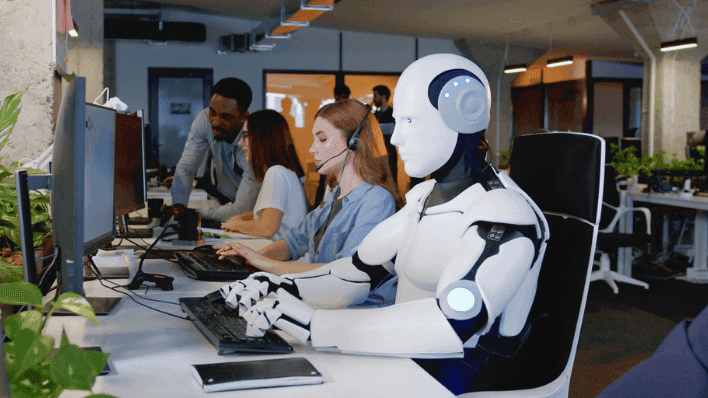
The labor market is no longer what it used to be. Traditional jobs are gradually disappearing, while new fields are emerging based on the demand for new technologies. These trends bring both significant opportunities and challenges for workers.
In the context of increasingly fierce job competition, every individual is required to continuously adapt to new trends within their chosen profession in order to maintain their value and avoid being replaced. Not only employees, but also large corporations, startups, and small organizations must continuously update their technologies and manage human resources appropriately to maintain a competitive position in the market.
In other words, today’s labor market demands that each worker reshape their career future and be mentally prepared for sudden changes. Proactively learning new skills and updating knowledge is the way for individuals to redefine their own future in this constantly changing world of work. Therefore, understanding trends and preparing the right skills will help you avoid being left behind in the global competition. To succeed, everyone needs to regard Reskilling & Upskilling as an indispensable guiding principle today.
2. Employees Need to Continuously Learn to Maintain Their Position
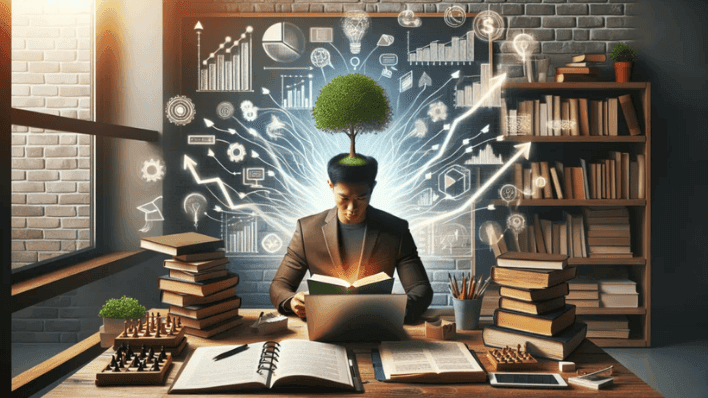
Living in the digital era, to maintain and enhance their position at work, employees have no choice but to proactively expand and update their skills. Continuous learning is the key that enables each person to develop themselves comprehensively. More precisely, it helps prevent long-term unemployment, something that no one wants to experience.
2.1 Why Is Continuous Learning Important?
First, the labor market is constantly evolving, so knowledge and skills must be continuously updated to meet the new demands of businesses. Workers who proactively enhance their skills in their field can more easily adapt to new jobs, new technologies, and new business models. This helps them maintain their position or even expand opportunities for advancement within the organization.
Second, continuous learning helps build confidence, increase creativity, and improve problem-solving abilities. New knowledge stimulates critical thinking and enables workers to come up with creative, suitable solutions in a dynamic environment. Moreover, soft skills such as communication and time management are becoming increasingly important in this context.
Third, continuous learning is closely linked to the culture of lifelong learning, which many large companies encourage. Organizations that promote reskilling and upskilling retain employees more effectively, build stronger talent teams, and enhance their employer branding. Through this, businesses not only ensure sustainable development but also contribute to improving the overall quality of the workforce in the economy.
Importantly, everyone should recognize that it is never too late to start learning. One can begin with online courses, short-term training programs, or mentoring initiatives. This not only helps update new skills but also expands professional networks, creating opportunities for collaboration and sustainable career growth. Every learning journey is a small but sure step toward maintaining individual competitiveness in a constantly changing technological and market landscape.
Therefore, cultivating a positive attitude toward learning and proactively seeking opportunities to develop new skills is not only an investment in oneself but also a long-term career development strategy in an era where Reskilling & Upskilling: The Key to Adapting in the Era of Fluctuating Employment has become an inevitable trend.
3. What Is Reskilling?
Reskilling is the process of training and learning to develop new skills suitable for different jobs or fields. It plays a revolutionary role in helping workers transition their careers or adapt to the rapidly changing demands of the market.

3.1 Definition and Significance of Reskilling
In the context of rapidly advancing technology, some traditional professions are gradually becoming obsolete or automated. Reskilling is a strategy that helps individuals enhance their ability to meet new demands and avoid being excluded from the labor market. Instead of trying to maintain old skills, workers learn new skills suitable for rapidly growing fields such as digital technology, cybersecurity, big data, or artificial intelligence.
The significance of reskilling cannot be denied in a constantly changing market. It helps individuals maintain their competitiveness, avoid early obsolescence, and seize new opportunities that align with emerging trends. At the same time, businesses benefit from having a flexible workforce ready to adapt to a digitalized corporate environment, thereby increasing productivity, minimizing unemployment risks, and fostering a culture of innovation.
3.2 Practical Examples of Reskilling
In large corporations such as Google, Microsoft, and IBM, reskilling programs are regularly organized to help employees adapt to technological changes. For example, Google has trained thousands of employees in AI and data analysis skills to ensure they are suited for new positions related to digital technology. Start-ups and SMEs are no exception—they are heavily investing in workforce retraining programs to avoid falling behind in the Industry 4.0 revolution.
In Vietnam, companies in the technology, finance, and banking sectors are implementing reskilling programs to transform operations and enhance employees’ capabilities in line with market trends. Notably, online courses and remote training are becoming increasingly popular, making it easier for many workers to access learning opportunities. These initiatives contribute to a strong wave of transformation, helping employees stay competitive as new requirements become increasingly demanding.
3.3 When Should You Reskill?
Reskilling is not only for those who are unemployed or laid off. It is an ongoing activity throughout an individual’s career, aimed at maintaining competitiveness and adapting to the new demands of the market.
3.4 The right time to start reskilling
The best time to start reskilling is when you notice warning signs that your current skills are becoming obsolete or when significant changes occur in your independent field of work. Workers should pay attention to trends in technology, the market, or feedback from their organization to proactively engage in new learning opportunities. For example, when automation begins to encroach on traditional departments, it signals the need to transition or enhance skills in programming, data analysis, or digital project management.
Second, during your career, if you aim to advance your position or expand your responsibilities, reskilling to meet new requirements is essential. It not only helps maintain your current standing but also prepares you to seize future opportunities for promotion or job changes. Additionally, if your company is undergoing digital transformation or expanding its business areas, this is an ideal time to invest in reskilling.
Third, in the context of increasing competition, continuously updating knowledge and new skills helps you maintain confidence and outperform competitors in the job market. In practice, individuals who proactively engage in reskilling tend to adapt faster and receive more development opportunities compared to their peers.
Therefore, there is never a time that is too late or too early to start reskilling. The important thing is to clearly define your goals, build an appropriate plan, and act consistently and persistently. Employer branding policies and corporate career guidance activities also play a crucial role in encouraging employees to enhance their skills, contributing to a flexible workforce ready to face all the challenges of today’s labor market.
4. What Is Upskilling?
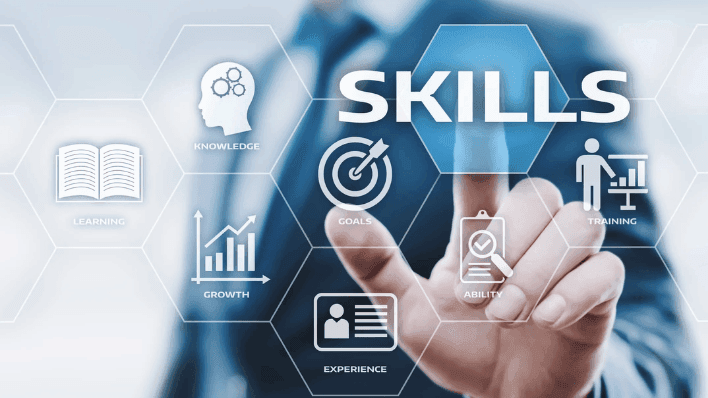
Upskilling is the process of enhancing an employee’s skills and knowledge to better meet the demands of their current job or to prepare for higher-level positions. It emphasizes improving existing skills, helping workers excel in their current roles.
4.1 Definition and Difference of Upskilling
While reskilling focuses on career or field transitions, upskilling focuses on improving an individual’s professional and soft skills within their current field. It is a way for employees not only to maintain their current status but also to achieve excellence, thereby increasing their contribution to the organization.
For example, a marketing employee might learn data analysis or content creation skills to enhance work effectiveness. A programmer might study new technologies such as blockchain or AI to contribute more effectively to company projects. This helps them stay up-to-date and maintain an important position within the team.
4.2 Benefits of Upskilling in the Current Job
The greatest benefit of upskilling is improving work efficiency and the ability to handle more complex tasks. Skilled employees can easily solve complicated problems and propose creative initiatives, thereby delivering added value to the organization.
Additionally, upskilling helps build employee loyalty, reducing turnover and the need for new recruitment. In a competitive environment, businesses need to focus on employer branding as an ideal place for career development and continuous learning. When employees feel invested in, they are more motivated to stay long-term and support the organization through challenges.
Furthermore, upskilling is key to preparing for advancement opportunities within the organization. Employees can take on management roles, major projects, or higher-level positions once they have acquired the necessary skills. This means that the organization not only retains talent but also promotes sustainable growth for the entire team.
5. Conclusion
In a constantly changing world, Reskilling & Upskilling: The Key to Adapting in the Era of Fluctuating Employment serve as the golden keys for both individuals and organizations to overcome every challenge. Rather than fearing unemployment or falling behind, we should regard continuous learning and skill enhancement as essential activities in the journey toward sustainable career development.
Remember, investing in yourself is the key to securing a solid professional future. Adaptability and innovation are not only competitive advantages but also the foundation that helps each person confidently step into a future full of opportunities. And if you are looking for solutions to optimize training processes, develop human resources, and build teams that are adaptable to change, HRForce is the reliable partner on your company's Reskilling & Upskilling journey. Contact us now to receive the necessary information.