


The Rise of Human Resource Technology Platforms: Why Every Recruiter Needs to Have Such a Platform?

In today’s digital era, finding the right talent that a company needs to recruit has become an urgent issue, forcing businesses to understand clearly that the success of the recruitment process depends not only on the skills and experience of candidates but also heavily on the ability to effectively select and manage human resources. Human resource technology solutions not only help optimize the recruitment process but also enhance productivity, reduce costs, and elevate the experience for both candidates and recruiters.
Furthermore, by using HR technology platforms, businesses are also indirectly but effectively communicating their brand.
This article will take an in-depth look at what makes HR Tech platforms necessary, the common platforms and types of software, as well as their roles, functions, and the benefits they provide in human resource management for every modern enterprise.
1. Why Does Every Recruiter Need to Have an HR Technology Platform Like This?
HR Tech platforms provide powerful tools that comprehensively support the entire recruitment process, from sourcing and screening to interviewing and tracking candidates. Technology helps minimize the time and effort of recruiters while increasing accuracy in selecting the most suitable personnel. Moreover, these platforms also integrate other functions such as attendance tracking and payroll management, creating a synchronized and unified ecosystem.

1.1 What is an HR Technology Platform?
An HR technology platform is a system that integrates recruitment technology tools, software, and digital solutions to help businesses comprehensively manage their human resource activities.
1.1.1 Characteristics of an HR Tech Platform
Thanks to the integration of tools such as AI, Big Data, and cloud technology, every business can manage its human resources optimally and flexibly, accessing data anytime and anywhere without the need to invest in complex infrastructure. With just an internet connection, businesses can easily manage their workforce without encountering any difficulties.
In addition, HR technology platforms also provide the ability to automate processes, minimizing errors caused by human factors. As a result, HR managers can focus more on strategic activities, such as talent development, building corporate culture, or implementing employee benefit programs. This helps improve work efficiency, thereby contributing to increased profitability for the business.
1.1.2 Benefits of an HR Technology Platform
The most prominent benefit is the optimization of the recruitment process. Instead of recruiters spending time and personnel on each manual recruitment round with complicated and cumbersome procedures, businesses can use automated tools to more easily filter resumes and screen candidates in the first or second rounds based on predefined criteria. This not only saves a significant amount of time and effort but also improves the quality of candidates.
2. Recruitment Software: A Powerful Tool for Every Business
It is certain that optimized recruitment software must be part of the ecosystem of an HR technology platform. This is the main tool that helps businesses carry out recruitment campaigns in a structured, professional, and effective manner. For businesses that recruit continuously, this is a key tool that greatly supports them throughout the process.

2.1 Functions of Recruitment Software
The main functions, such as posting job ads, managing applications, scheduling interviews, sending automated notifications, and tracking the application process, are common to all recruitment software. However, nowadays, many software solutions also integrate the ability to screen applications based on pre-established criteria, helping to reduce the manual workload of HR.
2.2 Benefits of Recruitment Software
The greatest benefit, and also the main purpose for businesses using these software solutions, is to reduce recruitment costs for the company while simultaneously decreasing the workload for HR.
In addition, modern recruiting software also enhances the candidate experience through quick, clear, and professional feedback. Most candidates feel comfortable when registering and tracking their application progress with the company. An optimized user experience leaves candidates satisfied and, to some extent, creates a positive impression of the company.
2.3 Trends in the Development of Recruitment Software
In the near future, recruiting software will increasingly integrate new technologies such as artificial intelligence to predict candidates’ competencies and suitability, or tools to analyze emotions during video interviews. This helps recruiters make faster and more accurate decisions while minimizing risks.
In particular, these software solutions are becoming increasingly user-friendly and customizable, allowing every business to use them and contributing to a stronger digital transformation in the recruitment industry than ever before.
3. Human Resource Management System (HRMS)
A HRMS System is an essential and indispensable component of an HR Tech platform, helping every business manage human resource activities in a unified, scientific, structured, and most effective manner.
3.1 Main Functions of HRMS
HRMS integrates multiple the features such as employee record management, attendance tracking, payroll, time management, training, and performance evaluation. Thanks to the close linkage of these operations, businesses can minimize manual tasks and avoid unnecessary errors in the human resource data processing.
3.2 The Role of HRMS in Modern Human Resource Management
In the context of diversified and complex work environments like the labor market in 2025, HRMS plays a central and pivotal role in human resource management. It helps businesses easily adapt to new requirements such as remote work, recruitment automation, or employee skill development through online programs.
Moreover, HRMS enables businesses to understand the performance and productivity of each employee, allowing them to establish clear incentive, bonus, or allowance policies. This, in turn, boosts employee morale and helps retain talent for longer-term engagement with the company. This is the key role of HRMS when recruiters use it to manage human resources in today’s modernized approach.
3.3 Outstanding Features of Modern HRMS
Modern HRMS integrates artificial intelligence and big data analytics to provide accurate forecasts on workforce trends, productivity, and employee retention. This enables businesses to develop suitable long-term strategies for themselves.
4. HRFORCE
HRFORCE is a tool that automates the entire recruitment process between candidates and businesses from scheduling interviews, updating results for each round, managing the recruitment workflow, to sending reminders. Also integrates Google Calendar, so why Hrforce?

4.1 Key Features of HR FORCE
HRFORCE stands out for its ability to help businesses manage the entire recruitment process and interact with candidates on a single platform, optimizing the efficiency of collaboration between recruiters, HR departments, and candidates. Operating on a pipeline model, businesses will be completely satisfied when using this platform for their recruitment needs.
Unlike traditional candidate sourcing platforms, HRFORCE does not provide job posting or candidate search services but focuses on standardizing and automating internal recruitment processes.
4.2 Flexible Modules Suitable for All Businesses
The system is designed with flexible modules, suitable for businesses of all sizes:
Recruitment Process Management: Set up and track each recruitment stage (resume screening, interviews, evaluation, feedback, etc.), allowing recruiters to easily monitor progress and effectiveness.
Automated Interview Scheduling: Supports synchronization of HR and recruiter calendars, sends notifications for appointments, changes, or reminders directly to candidates, saving coordination time.
Recruitment Result Notifications: Automatically sends round-by-round results (pass/fail) to candidates while storing interaction history for easy tracking or future follow-up.
Internal Notes and Evaluations: Allows interviewers to input comments, assess candidates’ skills and suitability directly in the system ensuring transparent and easily retrievable data.
User Permissions: Flexibly manage access rights according to roles (HR, department heads, direct managers, etc.), ensuring information security and optimizing approval workflows.
Recruitment Reporting Overview: Provides visual data on effectiveness, progress, and conversion rates between interview stages, helping businesses make faster and more accurate decisions.
Thanks to automation and seamless connectivity, HRFORCE helps businesses shorten processing time, enhance candidate experience, and standardize internal recruitment processes moving toward a modern, efficient, and professional recruitment environment. Contact us for a more effective recruitment process.
5. Human Resource Management Software: The “Brain” of Businesses
At the core of an HR technology platform, HR management software acts like the “brain” coordinating all people-related activities within a business. Thanks to HR management software, these activities become simpler, more accurate, and transparent.
5.1 Features of Human Resource Management Software
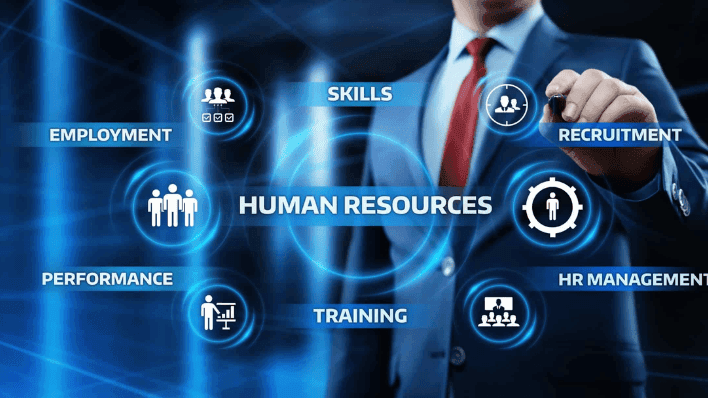
This software includes modules such as employee record management, attendance tracking, payroll, benefits management, training, and competency development. Thanks to its data integration capabilities, businesses can easily monitor and analyze human resource activities in real time.
Furthermore, this software helps establish HR policies that are appropriate, transparent, and fair, thereby enhancing team cohesion, motivating employees, and retaining talent within the organization. Its high level of customization makes it suitable for businesses of various sizes and industries.
5.2 The Role of Human Resource Management Software in Modern Businesses
In a highly competitive environment, implementing HR management software helps businesses minimize errors caused by manual processes, saving time and operational costs. It supports managers in planning workforce development, adjusting salary strategies, calculating bonuses, and designing appropriate training programs.
6. Conclusion on the Rise of Recruitment Software
The rise of HR technology platforms not only brings operational efficiency benefits but also enables businesses to make significant advances in attracting and retaining high-quality talent. Recruiting software, supporting human resource processes such as HRFORCE, along with emerging technology trends, is the key to helping businesses save time and costs, improve accuracy in recruitment and management, and optimize long-term workforce development strategies.